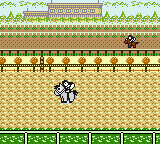
The game loads when you press Play · press “Play Now” inside the game if it asks.
Pocket GI Stable (Japan)
Pocket GI Stable
Getting to Know Pocket GI Stable
- Game Boy Color
- Simulation
- 5· 0 votes
GAME INFO
- Platform
- Game Boy Color
- Genre
- Simulation
- Players
- 1
- Region
- Japan
How to play Pocket GI Stable online
Getting Started
When you first boot up Pocket GI Stable, you'll be greeted by a Japanese title screen. Press Start to proceed. The main menu is in Japanese, but the top option is usually to start a new game (often the first item). If you see a save file, you can load it by selecting the appropriate slot.
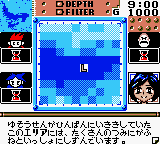
The core objective is to build a successful horse stable. At the beginning, you'll probably get a few horses and some basic funds. Use the D-Pad to navigate menus and the A button (X key) to confirm selections. You'll need to train your horses by selecting training options (look for a menu with icons like a horse or a whip) and then choose specific exercises. Keeping your horses healthy is crucial - watch for icons that might represent feed, rest, or veterinary care. Races are where you earn money and prestige; they occur on a schedule you can check in the calendar menu (often a calendar icon).
Since the game is entirely in Japanese, don't be discouraged if you don't understand everything. Experiment with menus: the options are usually laid out logically (training, race entry, stable management). Keep an eye on your horses' stamina and happiness - if they drop too low, your horses won't perform well. Save your game often using the save option in the menu (typically a floppy disk icon or the word セーブ). With patience and a bit of trial and error, you can enjoy this deep simulation experience.
CONTROLS
Controls
- Arrow Keys: D-Pad / Movement
- X: A button (jump / confirm)
- S: B button (run / attack / cancel)
- Enter: Start / Pause
- V: Select
Pocket GI Stable FAQ
Is there anything iconic or memorable about Pocket GI Stable?
Pocket GI Stable is not a household name, but it's remembered by collectors of obscure Japanese Game Boy Color games. Its relatively detailed horse management for a handheld game and the challenge of navigating its entirely Japanese interface give it a certain cult appeal.
Is Pocket GI Stable exclusive to Game Boy Color or did it appear on other systems?
Pocket GI Stable appears to be exclusive to the Game Boy Color. No ports or versions on other platforms are documented, and it was only released in Japan.
Who developed Pocket GI Stable?
The developer of Pocket GI Stable is not widely documented in English-language sources. It was likely created by a small Japanese studio, but no confirmed name is available.
You may also like
All Game Boy Color games



GAME INFO
- Platform
- Game Boy Color
- Genre
- Simulation
- Players
- 1
- Region
- Japan
COMMENTS (0)
No comments yet. Be the first to share your thoughts.