The game loads when you press Play · press “Play Now” inside the game if it asks.
Wolfchild (USA)
Wolfchild
Wolfchild on Genesis
- SEGA Genesis
- Run and Gun
- 5· 0 votes
GAME INFO
- Platform
- SEGA Genesis
- Genre
- Run and Gun
- Publisher
- Core Design
- Developer
- Core Design
- Released
- 1992
- Players
- 1
- Region
- USA
How to play Wolfchild online
Getting Started
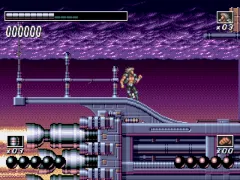
When you first start Wolfchild, press Enter to begin a new game. The title screen will show options for starting or continuing - use the D-Pad to highlight and press X to confirm. You control a soldier with a gun who can jump with X and shoot with S. The basic loop is to move right through each stage, shooting any enemies you see while collecting power-ups and transformation items.
Pay attention to the blue or orange glowing orbs that appear after defeating certain enemies - these let you morph into the wolf form. While transformed, your attack changes to a melee swipe and you can take more hits. The wolf is slower but stronger, so use it wisely against tough enemies and bosses. Watch your health bar at the top of the screen; it depletes quickly if you get careless.
A few general tips: learn enemy patterns before rushing in, use the wolf transformation in boss fights to deal heavy damage, and remember that you can shoot while jumping. There are no continues, so managing lives and health is key. The game is not overly long - maybe 30-40 minutes on a first run - but each stage demands focus.
CONTROLS
Controls
- Arrow Keys: D-Pad / Movement
- X: A button
- S: B button
- Z: C button
- A: X button (6-button pad)
- Q: Y button (6-button pad)
- E: Z button (6-button pad)
- Enter: Start / Mode
Wolfchild FAQ
Is there anything iconic or memorable about Wolfchild?
The transformation into a wolf monster is the most striking feature - it is not something seen often in run-and-gun shooters on the Genesis. The enemy designs and stage backgrounds have a gritty, late-80s action movie feel that some players appreciate.
Roughly how long does it take to finish Wolfchild?
A typical first playthrough takes about 30 to 45 minutes, depending on how many times you die. The game has five levels total, and each one can be cleared in roughly six to ten minutes once you know the layout.
Is Wolfchild considered easy to pick up or challenging?
It falls somewhere in the middle - the controls are simple and the early stages are forgiving, but later levels ramp up enemy density and tricky platforming. Boss fights require learning attack patterns, so expect a moderate challenge that rewards practice.
You may also like
All SEGA Genesis games

GAME INFO
- Platform
- SEGA Genesis
- Genre
- Run and Gun
- Publisher
- Core Design
- Developer
- Core Design
- Released
- 1992
- Players
- 1
- Region
- USA
COMMENTS (0)
No comments yet. Be the first to share your thoughts.