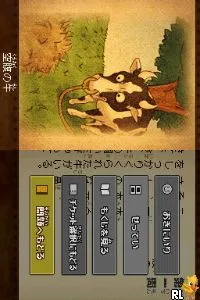
The game loads when you press Play · press “Play Now” inside the game if it asks.
Tago Akira no Atama no Taisou - Dai-4-shuu - Time Machine no Nazotoki Daibouken (Japan)
Tago Akira no Atama no Taisou - Dai-4-shuu - Time Machine no Nazotoki Daibouken
What is Tago Akira no Atama no Taisou - Dai-4-shuu - Time Machine no Nazotoki Daibouken?
- Nintendo DS
- Educational
- 5· 0 votes
GAME INFO
- Platform
- Nintendo DS
- Genre
- Educational
- Players
- 1
- Region
- Japan
How to play Tago Akira no Atama no Taisou - Dai-4-shuu - Time Machine no Nazotoki Daibouken online
To get started with Tago Akira no Atama no Taisou - Dai-4-shuu - Time Machine no Nazotoki Daibouken, first navigate through the main menu. Since this title is in Japanese, familiarize yourself with common menu options such as 'Start Game' and 'Options.' Players typically begin by selecting a difficulty level or mode, which can set the tone for the challenges ahead. The core gameplay loop involves solving a variety of puzzles presented throughout the game. As you progress, expect to encounter different types of challenges that test your logic and memory. Pay attention to the clues and hints given within the puzzles, as they are crucial for advancing. Mastering the controls will enhance your ability to navigate the game efficiently, allowing for a more enjoyable experience as you tackle increasingly complex tasks.
CONTROLS
Controls
- Arrow Keys — D-Pad / Movement
- X — A button
- S — B button
- Z — Y button
- A — X button
- Q — L shoulder
- E — R shoulder
- Enter — Start
- V — Select
Tago Akira no Atama no Taisou - Dai-4-shuu - Time Machine no Nazotoki Daibouken FAQ
Is there anything iconic or memorable about Tago Akira no Atama no Taisou - Dai-4-shuu - Time Machine no Nazotoki Daibouken?
This title is notable for its focus on educational puzzles, which was a common approach in Japanese games aimed at younger audiences. Its unique blend of fun and learning makes it a memorable experience, particularly for those who appreciate retro educational games.
In what year was Tago Akira no Atama no Taisou - Dai-4-shuu - Time Machine no Nazotoki Daibouken originally released?
The release year for this game is not widely documented, making it difficult to provide an exact date. However, it is known to be part of the Nintendo DS library that flourished during the mid-2000s.
Is Tago Akira no Atama no Atama no Taisou - Dai-4-shuu - Time Machine no Nazotoki Daibouken exclusive to Nintendo DS or did it appear on other systems?
This game appears to be exclusive to the Nintendo DS platform, as there are no known releases or ports to other systems. Its design and gameplay are tailored specifically for the DS's capabilities, emphasizing its educational aspects.
You may also like
All Nintendo DS games




GAME INFO
- Platform
- Nintendo DS
- Genre
- Educational
- Players
- 1
- Region
- Japan
COMMENTS (0)
No comments yet. Be the first to share your thoughts.