CHOOSE A VERSION
4 versions · same consoleChoose an original release, regional version, revision, bootleg or clearly labelled ROM hack/mod, then press Play. Hacks may change the gameplay. Switching versions restarts the player.
- Default · Japan
- Link no Bouken - The Legend of Zelda 2 (Japan) (Rev 1)
- Link no Bouken - The Legend of Zelda 2 (Japan) (Rev 1) (Collector's Edition)
- Link no Bouken - The Legend of Zelda 2 (Japan) (Rev 1) (Wii and Wii U Virtual Console)
Selected: Default · Japan · Japan
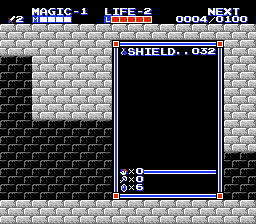
The game loads when you press Play · press “Play Now” inside the game if it asks.
Link no Bouken - The Legend of Zelda 2 (Japan)
Link no Bouken - The Legend of Zelda 2
What is Link no Bouken - The Legend of Zelda 2?
- Famicom Disk System
- RPG
- 5· 0 votes
GAME INFO
- Platform
- Famicom Disk System
- Genre
- RPG
- Publisher
- Nintendo
- Developer
- Nintendo
- Released
- 1987
- Players
- 1
- Region
- Japan
- Based on
- The Legend of Zelda
How to play Link no Bouken - The Legend of Zelda 2 online
CONTROLS
Controls
- Arrow Keys — D-Pad / Movement
- X — A button (jump / confirm)
- S — B button (run / attack / cancel)
- Enter — Start / Pause
- V — Select
Link no Bouken - The Legend of Zelda 2 FAQ
What type of game is Link no Bouken - The Legend of Zelda 2?
Link no Bouken - The Legend of Zelda 2 is a side-scrolling action RPG that incorporates platforming elements and character progression mechanics. It differs from the original Zelda’s top-down exploration style by focusing on combat and leveling up.
Is there anything iconic or memorable about Link no Bouken - The Legend of Zelda 2?
The game is notable for its unique blend of action and RPG gameplay within the Zelda franchise, especially its use of side-scrolling levels and a magic system. Its release on the Famicom Disk System also allowed expanded features that were uncommon for the time.
Who developed Link no Bouken - The Legend of Zelda 2?
The game was developed by Nintendo, continuing their work on the Zelda series. Specific development team details are not widely documented beyond Nintendo’s involvement.
You may also like
All Famicom Disk System games Aki to Tsukasa no Fushigi no Kabe
 Yume Koujou - Doki Doki Panic
 Bishoujo Hanafuda Club Vol.2 - Koikoi Bakappana Hen
 Bishoujo Shashinkan - Studio Cut
 Bishoujo Sexy Slot
 Bishoujo Hanafuda Club Vol.1 - Oichokabu Hen
 Transformers - The Headmasters
 Bakutoushi Patton-kun
 Aliens - Alien 2
 Tenshitachi no Houkago
 Backgammon
 Chitei Tairiku Ordola
GAME INFO
- Platform
- Famicom Disk System
- Genre
- RPG
- Publisher
- Nintendo
- Developer
- Nintendo
- Released
- 1987
- Players
- 1
- Region
- Japan
- Based on
- The Legend of Zelda
COMMENTS (0)
No comments yet. Be the first to share your thoughts.