![Arkanoid (bootleg with MCU set 2) [Bootleg]](/uploads/games/g-6954fc66713a.png)
Arkanoid (bootleg with MCU set 2) [Bootleg]
About Arkanoid (bootleg with MCU set 2) [Bootleg]
This is a bootleg version of Arkanoid, the classic block breaker that Taito originally developed and released in arcades back in 1986. While the original was an official arcade hit (distributed in North America by Romstar), this particular ROM is an unlicensed copy using a different MCU set (set 2). Bootlegs like this were common in the 80s, often swapping out hardware to cut costs or bypass regional restrictions, so the core game remains but some timing or collision behavior might differ from the original boards.
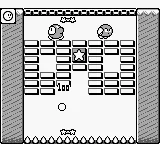
The gameplay is exactly what you expect from the genre: you control a small paddle at the bottom of the screen, bouncing a ball upward to break rows of colorful bricks. Each brick takes one hit to destroy, and some release power-ups that enlarge the paddle, split the ball into multiple projectiles, or grant other temporary advantages. The ball can ricochet off walls and the paddle, and if it drops past your paddle, you lose a life. Levels get progressively harder with tougher brick arrangements and faster ball speeds.
For retro gaming fans, this bootleg is a neat piece of history rather than a polished release. It plays identically to the original in most respects, though some argue the MCU changes affect the ball's trajectory or responsiveness. If you enjoy classic Breakout-style games and want to see how bootleggers tinkered with the hardware, this is worth a quick play. Just don't expect any extra content - it's Arkanoid stripped down to its bare essentials, for better or worse.
How to Play Arkanoid (bootleg with MCU set 2) [Bootleg] Online
Getting Started
The first thing you do is press Start (Enter) to begin a game. You control the paddle using the left and right Arrow Keys, moving it to catch the ball and bounce it upward into the brick formation. The ball launches automatically after a short delay - there is no manual launch button here.
Your core loop is simple: keep the ball in play, break every brick on the screen, and survive. If the ball falls off the bottom edge, you lose a life. Certain bricks release power-ups when destroyed; these float down slowly, and you must catch them with your paddle to activate their effects. Common power-ups include widening the paddle, giving you a laser that can shoot bricks directly, or splitting the ball into three.
Because this is a bootleg, the physics may feel slightly different from the official Taito arcade board - the ball might bounce at slightly unexpected angles or the paddle speed could vary. Treat it like an alternate take on the original; the strategies are the same, but you'll need to adjust your timing if you're used to the authentic version. There are no menus or language barriers - just pure block-breaking action.
Arkanoid (bootleg with MCU set 2) [Bootleg] Keyboard Controls
Controls
- Arrow Keys: Joystick / Movement
- X: Button 1
- S: Button 2
- Z: Button 3
- A: Button 4
- Q: Button 5
- E: Button 6
- Enter: Start / 1P
- V: Coin / Insert

Comments (0)