The game loads when you press Play · press “Play Now” inside the game if it asks.
Sitio do Picapau Amarelo (Brazil)
Sitio do Picapau Amarelo
Sitio do Picapau Amarelo: SMS Platformer
- SEGA Master System
- Platformer
- 5· 0 votes
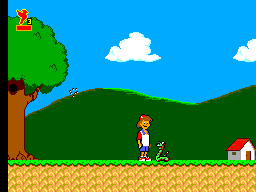
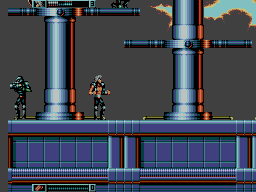
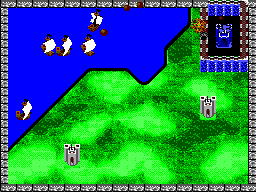
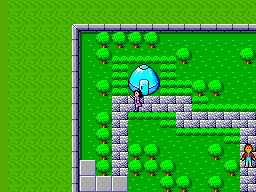
Sitio do Picapau Amarelo (Brazil) is a title released for the SEGA Master System, notable for its regional exclusivity in Brazil. The game is an official release and was published during the late 1980s to early 1990s period when the Master System had a strong foothold in the Brazilian market. Precise details on the developer and exact release year are not widely documented, but it remains recognized as part of Brazil's unique gaming library on the platform.
Within the context of the SEGA Master System's library, Sitio do Picapau Amarelo fits into the era's trend of adapting popular cultural properties for home consoles, particularly in regional markets. The Master System was known for a diverse range of genres, often platformers and adventure games, featuring colorful graphics and straightforward mechanics suited to the hardware's capabilities. This title aligns with those conventions, likely offering gameplay that reflects the platform's limitations and audience expectations at the time.
Preservation of Sitio do Picapau Amarelo is important as it represents a culturally specific entry in the Master System's catalog, highlighting Brazil's distinct gaming landscape during the console's lifespan. While not as internationally known as other Master System games, it deserves recognition for its regional significance and contribution to the console's diverse game library. Archiving such titles helps maintain a full picture of the Master System's global impact.
GAME INFO
- Platform
- SEGA Master System
- Genre
- Platformer
How to play Sitio do Picapau Amarelo online
Playing Sitio do Picapau Amarelo on the SEGA Master System delivers a pacing typical of platform and adventure titles of its era. The game likely balances moments of exploration with action segments, creating a steady rhythm that keeps players engaged without overwhelming them. The tension may build through navigating obstacles and overcoming enemies, with a hook rooted in the recognizable setting drawn from Brazilian culture, which adds a unique flavor compared to more generic platformers.
The gameplay experience probably emphasizes pattern recognition and timing, common in Master System games, encouraging players to learn enemy behaviors and level layouts. The controls and mechanics are expected to be simple yet responsive, maintaining accessibility while offering enough challenge to sustain interest. The game's charm would come from its thematic elements and straightforward gameplay loops, typical of regional releases that blend local culture with established genres.
To succeed in Sitio do Picapau Amarelo, players should focus on mastering the timing of jumps and attacks, as these are likely key to progressing through levels. Observing enemy patterns carefully will help avoid unnecessary damage. Patience and memorization of level design typical of Master System platformers will improve chances of success.
CONTROLS
Controls
- Arrow Keys — D-Pad / Movement
- X — Button 1 (jump / confirm)
- S — Button 2 (attack / cancel)
- Enter — Pause
Sitio do Picapau Amarelo FAQ
Roughly how long does it take to finish Sitio do Picapau Amarelo?
The completion time for Sitio do Picapau Amarelo is not widely documented. Given the era and platform, typical playthroughs of similar games range from one to three hours depending on player skill.
Which regions was Sitio do Picapau Amarelo released in?
This game was released exclusively in Brazil, catering to the local market where the SEGA Master System enjoyed significant popularity. It was not distributed in other major regions like Japan, USA, or Europe.
Who developed Sitio do Picapau Amarelo?
The developer information for Sitio do Picapau Amarelo is not clearly documented. It remains uncertain which studio was responsible for its creation, reflecting a common issue with region-specific titles from that era.
You may also like
All SEGA Master System games






GAME INFO
- Platform
- SEGA Master System
- Genre
- Platformer
COMMENTS (0)
No comments yet. Be the first to share your thoughts.