CHOOSE A VERSION
2 versions · same consoleChoose an original release, regional version, revision, bootleg or clearly labelled ROM hack/mod, then press Play. Hacks may change the gameplay. Switching versions restarts the player.
Selected: Default · USA · USA
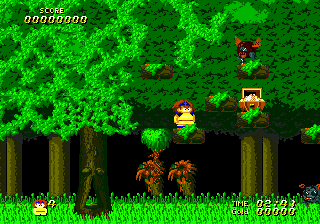
The game loads when you press Play · press “Play Now” inside the game if it asks.
Wardner (USA)
Wardner
About Wardner
- SEGA Genesis
- Platformer
- 5· 0 votes
Players control Dover as he runs and jumps through a series of side-scrolling stages. The core loop involves moving from left to right, avoiding or defeating enemies, and navigating platforms and hazards. Basic attacks and jumping are the main tools, and the game requires careful timing and reflexes to progress. Each stage ends with a boss encounter, and the ultimate goal is to reach and defeat the evil Wardner to rescue Mia.
Wardner is a solid, no-frills platformer that fits well within the Genesis library. It lacks the polish or innovation of top-tier titles but offers a satisfying challenge for fans of the genre. The arcade heritage shows in its straightforward design and unforgiving difficulty. For retro enthusiasts looking for an overlooked game to spend an afternoon with, it delivers a decent dose of old-school platforming without any unnecessary complexity.
GAME INFO
- Platform
- SEGA Genesis
- Genre
- Platformer
- Publisher
- Taito
- Developer
- Toaplan
- Released
- 1987
- Players
- 1
- Region
- USA
How to play Wardner online
Getting Started: When you first start Wardner, press Start to begin the game. You control Dover as he moves through horizontal stages. Use the Arrow Keys to move left and right and to crouch. Press X to jump over obstacles or onto platforms. Use S to attack enemies with your weapon. Your objective is to traverse each stage, defeat the enemies that block your path, and reach the door at the end to progress to the next area. The game is straightforward: keep moving, attack enemies, and avoid taking damage. Health is limited, so learn enemy patterns and time your jumps carefully. Collectible items may appear, but their effects are generally simple - extra points or temporary power-ups. The game has no continues or save system, so finishing it requires a single uninterrupted run. Expect a moderate challenge typical of arcade-style platformers from the Genesis era.
CONTROLS
Controls
- Arrow Keys: D-Pad / Movement
- X: A button
- S: B button
- Z: C button
- A: X button (6-button pad)
- Q: Y button (6-button pad)
- E: Z button (6-button pad)
- Enter: Start / Mode
Wardner FAQ
Can players save progress in Wardner?
Wardner does not include a save feature. As with many arcade ports of the time, the game is designed to be completed in one sitting without the ability to pause and resume progress later.
Roughly how long does it take to finish Wardner?
A typical playthrough of Wardner takes around 20 to 30 minutes for a skilled player. The game has a handful of stages and can be cleared relatively quickly once the patterns are learned.
What makes Wardner stand out among SEGA Genesis titles of its era?
Wardner offers a pure arcade platforming experience with tight controls and a straightforward rescue plot. Its challenge and colorful graphics give it a distinct old-school feel, though it may not bring anything radically new to the genre.
You may also like
All SEGA Genesis games

GAME INFO
- Platform
- SEGA Genesis
- Genre
- Platformer
- Publisher
- Taito
- Developer
- Toaplan
- Released
- 1987
- Players
- 1
- Region
- USA
COMMENTS (0)
No comments yet. Be the first to share your thoughts.