The game loads when you press Play · press “Play Now” inside the game if it asks.
Tottemo! Luckyman (Japan)
Tottemo! Luckyman
Tottemo! Luckyman on GB
Tottemo! Luckyman is a Game Boy game released exclusively in Japan. It is based on the manga series of the same name by Hiroshi Motomiya, which was popular in the early 1990s. The game falls into the action platformer genre, a common choice for anime adaptations on the handheld system. While the original manga and anime featured a superhero with luck-based powers, the game adapts this concept into a side-scrolling adventure. Because it never left Japan, it remains a niche title for collectors and retro enthusiasts who seek out obscure Game Boy imports.
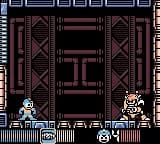
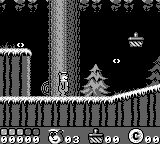
As a side-scrolling platformer, the player controls Luckyman through various levels, jumping over hazards and defeating enemies. The core gameplay involves navigating linear stages, collecting items or power-ups, and reaching the end of each level. Attacks are performed using the B button, while the A button handles jumps. Some enemies may require specific timing or patterns to overcome, adding a light puzzle element to the action. The game likely follows a level-based structure typical of early 1990s Game Boy platformers, with a boss fight at the end of each world.
For fans of the Luckyman franchise, this is one of the few video game adaptations ever made, making it a rare piece of memorabilia. Even without knowledge of the source material, it stands as a competent example of the platformer genre on the Game Boy. Its difficulty is moderate, and the controls feel responsive for the era. If you enjoy exploring overlooked Japanese games or completing a full set of Bandai-published Game Boy titles, Tottemo! Luckyman is worth tracking down. However, it is not a genre-defining masterpiece; it is a solid, workmanlike port of a popular property.
GAME INFO
How to play Tottemo! Luckyman online
Getting started: Tottemo! Luckyman is a Japanese-only Game Boy game, so all menus and text are in Japanese. When you start the game, you will likely see a title screen followed by a menu with options like start game, continue, or settings. The top option is usually "Start" - press Enter to begin. If there is a character select or difficulty choice, it is minimal; the game typically drops you into the first level directly.
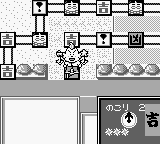
Once in the level, use the arrow keys to move left or right, press X to jump, and press S to attack. Enemies appear from both sides, and you must defeat them or avoid them to progress. The level ends when you reach a goal flag or door. Between levels you may see a map screen or simple score tally. The game saves progress via passwords - write down any password you see after a level. If you get a game over, use the password to continue from your last checkpoint.
Important mechanics to note: Luckyman has a health bar (usually hearts or a number of hits). Collecting certain items may restore health or grant temporary invincibility. Some enemies require multiple hits or specific timing. If you are unfamiliar with the Japanese text, trial and error will teach you the essential functions. The game is forgiving enough to allow learning through play.
CONTROLS
Controls
- Arrow Keys: D-Pad / Movement
- X: A button (jump / confirm)
- S: B button (run / attack / cancel)
- Enter: Start / Pause
- V: Select
Tottemo! Luckyman FAQ
Is Tottemo! Luckyman exclusive to Game Boy or did it appear on other systems?
Tottemo! Luckyman was released only on the Nintendo Game Boy in Japan. It did not receive ports to other consoles or handhelds, nor was it released internationally.
In what year was Tottemo! Luckyman originally released?
The original release year is not widely documented in English sources. Most references point to a 1994 release, but this cannot be confirmed with high certainty.
Who developed Tottemo! Luckyman?
The developer is not widely documented. While the game was published by Bandai in Japan, the specific development studio is not commonly credited in accessible records.

COMMENTS (0)
No comments yet. Be the first to share your thoughts.