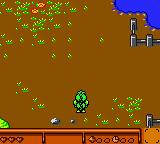
The game loads when you press Play · press “Play Now” inside the game if it asks.
Tabaluga (Germany)
Tabaluga
Getting to Know Tabaluga
- Game Boy Color
- Platformer
- 5· 0 votes
GAME INFO
- Platform
- Game Boy Color
- Genre
- Platformer
- Developer
- Neon Studios
- Released
- 1999
- Players
- 1
- Region
- Europe
How to play Tabaluga online
Getting Started
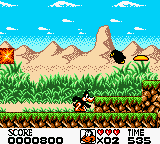
When you begin Tabaluga, the game will present a title screen and possibly a simple menu in German. Press Enter to start. Use the arrow keys to guide Tabaluga through the first level. The core loop involves moving from left to right, jumping over gaps and onto platforms, and avoiding enemies by jumping on them or using attacks with the B button.
The A button (X) is used for jumping, and the B button (S) for running or attacking depending on context. The game may include collectible items like fruits or gems; gather these to increase your score or unlock bonuses. If you encounter a hazard or enemy, a single hit might cause damage or send you back to a checkpoint. Pay attention to the game's simple level design - there are often hidden areas or power-ups that can make the journey easier.
If the game displays dialogue in German, it may provide contextual hints. The platformer controls are standard for the Game Boy Color, so if you have played other games on the system, you will feel at home. Persistence is key: each level ends when you reach the flag, door, or similar exit point. The game contains multiple levels, and completing them unlocks the next stage. No multiplayer mode exists - this is a single-player experience throughout.
CONTROLS
Controls
- Arrow Keys: D-Pad / Movement
- X: A button (jump / confirm)
- S: B button (run / attack / cancel)
- Enter: Start / Pause
- V: Select
Tabaluga FAQ
Is Tabaluga exclusive to Game Boy Color or did it appear on other systems?
The game Tabaluga is known only on the Game Boy Color; no official ports to other consoles have been documented. The franchise itself extends across music albums, books, and a stage musical, but the handheld video game appears to be a standalone release for the Game Boy Color platform.
Does Tabaluga have a multiplayer or co-op mode?
Tabaluga is strictly a single-player experience. The game does not feature any multiplayer or cooperative modes. Its design focuses on a solo adventure through platforming levels with no options for a second player.
Who developed Tabaluga?
The developer of the Tabaluga Game Boy Color game is not widely documented in public sources. Based on available information, the development team is unknown, and the game is typically identified only by its publisher or as a licensed product by the rights holders of the Tabaluga franchise.
You may also like
All Game Boy Color games
GAME INFO
- Platform
- Game Boy Color
- Genre
- Platformer
- Developer
- Neon Studios
- Released
- 1999
- Players
- 1
- Region
- Europe
COMMENTS (0)
No comments yet. Be the first to share your thoughts.