
 WS
WSTap Play, then press “Play Now” inside the game if it asks.
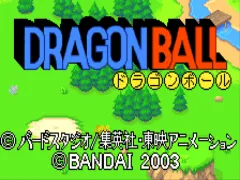
Dragonball (J)

Dragonball
Dragonball on WS
Starting up Dragonball (J) on the WonderSwan, the initial moments immerse you in a straightforward pacing typical of late 90s handheld action games. The screen layout and controls feel compact, suited to the WonderSwan's unique hardware. The game hooks players quickly with recognizable characters and basic combat mechanics, delivering a nostalgic vibe through pixel art and chiptune soundtracks that echo the era's handheld limitations and charm.
Dragonball (J) is an officially released title for the WonderSwan, launched in Japan in 1999. It draws on the popular Dragon Ball franchise, adapting it to the portable format of Bandai's handheld. While specific development details are scarce, the game fits into the broader trend of anime-licensed action games of the time, focusing on solo play with simple beat-em-up or fighting elements. It was published for the Japanese market only and designed for a single player.
Within the handheld action genre, Dragonball (J) holds a place as a modest but faithful adaptation of its source material. It may not stand out dramatically when compared to more advanced portable fighting games but offers a solid experience for fans of the series and the WonderSwan platform. Its gameplay and presentation still carry nostalgic appeal, though modern players might find its mechanics and visuals dated compared to later handheld titles.
How to Play Dragonball Online
First 5 minutes: Upon starting Dragonball (J), players see a title screen with familiar Dragon Ball artwork and menu options. The initial gameplay introduces a basic fight or action scenario where you control a character moving through stages, engaging in simple combat. Early controls and button prompts guide you, setting up the core movement and attack mechanics common to WonderSwan action games.
The first hour: Gameplay revolves around progressing through levels or encounters, defeating enemies using a combination of attacks and movement. Players will notice a pattern of timing attacks and dodging, with occasional power-ups or special moves. The loop focuses on mastering the controls and learning enemy patterns to advance through the stages, typical of late 90s handheld beat-em-ups.
Mastery: Skilled players distinguish themselves by precise timing, efficient use of special moves, and memorization of enemy behavior. Mastery involves balancing offense and defense while optimizing combos within the limited control scheme. Advanced play may also require managing resources or stage hazards, rewarding those familiar with WonderSwan's button layout and game pacing.
Controls
Controls
- Arrow Keys — D-Pad / Movement
- X — A button
- S — B button
- Enter — Start
- V — Sound
Dragonball FAQ
- Who developed Dragonball?
- The specific developer of Dragonball (J) for WonderSwan is not widely documented. It was published by Bandai, known for producing many licensed titles for their handheld platform.
- What makes Dragonball stand out among WonderSwan titles of its era?
- This game stands out due to its licensed Dragon Ball branding, offering fans a portable way to engage with the franchise. Its straightforward action gameplay and faithful pixel art style reflect the WonderSwan's capabilities and the late 90s handheld gaming environment.
- Is Dragonball an official release, a fan hack, a prototype, or another kind of build?
- Dragonball (J) is an official release for the WonderSwan in Japan. It is not a fan hack, prototype, or unofficial build but a commercial title from 1999.





Comments (0)
No comments yet. Be the first to share your thoughts.