🔊 Tap Play, then press “Play Now”

Streets of Rage II (Europe)

0 Favorites 0 Likes 31 Views
Rate this game:
Embed Code
Streets of Rage II (Europe)
SEGA Master System Beat em Up Pub Sega 1992 Europe 1-2 Players 5 (0) 31

Streets of Rage II (Europe)

Streets of Rage II (Europe) Overview

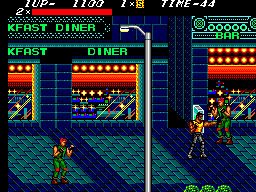
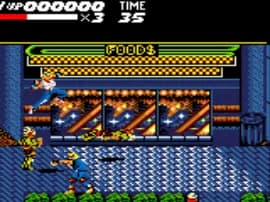
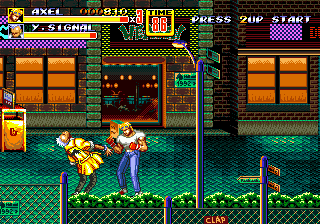
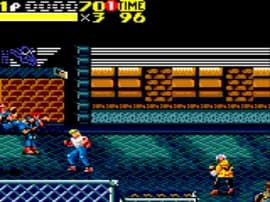
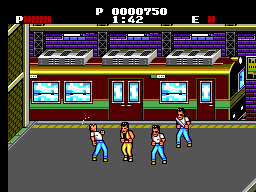
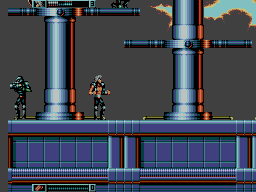
Streets of Rage II for the SEGA Master System was released in Europe in 1992. While the original Streets of Rage II was developed by Sega for the Genesis/Mega Drive, this Master System version is a distinct adaptation reflecting the hardware limits of the 8-bit era. Development details specific to this port are not widely documented, but typical Master System projects at the time involved smaller teams working under strict memory and graphical constraints compared to the 16-bit counterparts. The platform's capabilities influenced the game's design, often requiring simplification of sprites and sound.

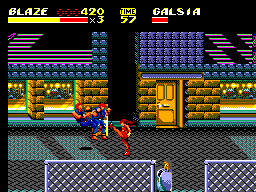
The gameplay attempts to bring the classic beat 'em up experience of Streets of Rage II to the Master System, focusing on side-scrolling action with one or two players. It follows genre conventions with a mix of punches, kicks, and occasional special moves to clear waves of enemies. The pacing is generally brisk, though the limited hardware impacts the fluidity and complexity of combat compared to more powerful systems. Players encounter various enemy types and progress through stages typical for beat 'em ups of the early 90s.

As a result, the game delivers a functional but pared-down Streets of Rage II experience. While some of the series’ signature elements are present, the Master System version reads today as a more modest, retro interpretation of the franchise, lacking the depth and polish of its 16-bit sibling. For collectors and fans of the platform, it offers nostalgic value and insight into the challenges of adapting popular arcade-style games to less powerful hardware.

How to Play Streets of Rage II (Europe) Online

Playing Streets of Rage II on the SEGA Master System gives a classic beat 'em up feel with straightforward, arcade-style action. The game maintains a steady pace, encouraging players to move through levels while battling groups of enemies using basic attacks and jumps. The tension comes from managing multiple foes and timing your moves to avoid damage, making each stage a test of both reflexes and pattern recognition. The cooperative mode allows two players to team up, adding a layer of strategy and shared excitement.

The hook lies in its simple yet engaging combat loop, typical of early 90s beat 'em ups on 8-bit consoles. Though limited by the hardware, the game offers varied enemy types and stage designs that keep the gameplay fresh enough to hold attention. The Master System's controls are responsive, and the action encourages players to experiment with attack combinations and positioning to succeed.

To improve your play, focus on timing your attacks carefully and use jumps to evade enemy strikes. Taking advantage of the two-player mode can help manage enemies more effectively by coordinating attacks. Since the game relies on pattern recognition, learning enemy behavior will make progressing through stages smoother.

Streets of Rage II (Europe) Keyboard Controls

Controls

  • Arrow Keys — D-Pad / Movement
  • X — Button 1 (jump / confirm)
  • S — Button 2 (attack / cancel)
  • Enter — Pause

Frequently Asked Questions

Who developed Streets of Rage II?
The specific developer for the SEGA Master System version of Streets of Rage II is not widely documented. The original Streets of Rage II was developed by Sega for the Genesis, but this port likely involved a separate team adapting the game for the 8-bit hardware.
Which regions was Streets of Rage II released in?
This version of Streets of Rage II was released in Europe in 1992. It was part of Sega's effort to bring popular franchises to the Master System market in that region.
Is there anything iconic or memorable about Streets of Rage II?
The Master System version is remembered as a scaled-down adaptation of the popular beat 'em up franchise. While it lacks some of the polish of its 16-bit counterpart, it stands out as a representation of early 90s beat 'em ups on less powerful hardware.

Comments (0)

    More Beat em Up Games