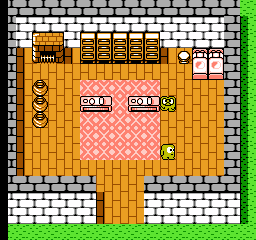
The game loads when you press Play · press “Play Now” inside the game if it asks.
Famimaga Disk Vol. 6 - Janken Disk Jou (Japan) (Disk Writer)
Famimaga Disk Vol. 6 - Janken Disk Jou
About Famimaga Disk Vol. 6 - Janken Disk Jou
- Famicom Disk System
- Board Game
- 5· 0 votes
GAME INFO
- Platform
- Famicom Disk System
- Genre
- Board Game
- Region
- Japan
More Famimaga Disk Vol. Games
Ready for another round? Explore more Famimaga Disk Vol. games and console editions. Choose a game below to play it on its own page.

How to play Famimaga Disk Vol. 6 - Janken Disk Jou online
CONTROLS
Controls
- Arrow Keys: D-Pad / Movement
- X: A button (jump / confirm)
- S: B button (run / attack / cancel)
- Enter: Start / Pause
- V: Select
Famimaga Disk Vol. 6 - Janken Disk Jou FAQ
Who developed Famimaga Disk Vol. 6 - Janken Disk Jou?
The developer is not widely documented. It was most likely produced by Tokuma Shoten as part of the Famimaga disk magazine line, possibly with help from Nintendo or an external studio, but no specific studio name is confirmed.
In what year was Famimaga Disk Vol. 6 - Janken Disk Jou originally released?
The exact release year is not well documented. Famicom Disk Writer kiosks were active from 1986 onward, and Famimaga disk volumes appeared between 1987 and 1990, but a precise year for volume 6 is not easily found.
Is there anything iconic or memorable about Famimaga Disk Vol. 6 - Janken Disk Jou?
Its memorability comes from being a rock-paper-scissors title distributed through the Disk Writer kiosk system, making it a curious artifact of the FDS's software distribution model. It also represents the oddball mini-games that filled disk magazine volumes.
You may also like
All Famicom Disk System games Aki to Tsukasa no Fushigi no Kabe
 Yume Koujou - Doki Doki Panic
 Bishoujo Hanafuda Club Vol.2 - Koikoi Bakappana Hen
 Bishoujo Shashinkan - Studio Cut
 Bishoujo Sexy Slot
 Bishoujo Hanafuda Club Vol.1 - Oichokabu Hen
 Transformers - The Headmasters
 Bakutoushi Patton-kun
 Aliens - Alien 2
 Tenshitachi no Houkago
 Backgammon
 Chitei Tairiku Ordola
GAME INFO
- Platform
- Famicom Disk System
- Genre
- Board Game
- Region
- Japan
COMMENTS (0)
No comments yet. Be the first to share your thoughts.