CHOOSE A VERSION
4 versions · same consoleChoose an original release, regional version, revision, bootleg or clearly labelled ROM hack/mod, then press Play. Hacks may change the gameplay. Switching versions restarts the player.
- Default · Japan
- Japan · Rev 1
- Japan · Rev 2 · Disk Writer
- Japan · Rev 2 · Wii and Wii U Virtual Console
Selected: Default · Japan · Japan
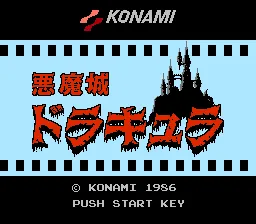
The game loads when you press Play · press “Play Now” inside the game if it asks.
Akumajou Dracula (Japan)
Akumajou Dracula
Akumajou Dracula: FDS Action
- Famicom Disk System
- Action
- 5· 0 votes
GAME INFO
- Platform
- Famicom Disk System
- Genre
- Action
- Publisher
- Konami
- Developer
- Konami
- Released
- 1986
- Players
- 1
- Region
- Japan
More Akumajou Dracula Games
Ready for another round? Explore more Akumajou Dracula games and console editions. Choose a game below to play it on its own page.
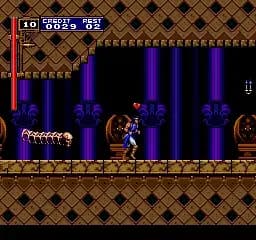
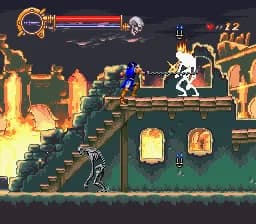
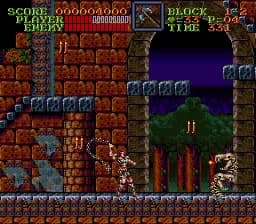
How to play Akumajou Dracula online
CONTROLS
Controls
- Arrow Keys — D-Pad / Movement
- X — A button (jump / confirm)
- S — B button (run / attack / cancel)
- Enter — Start / Pause
- V — Select
Akumajou Dracula FAQ
Can players save progress in Akumajou Dracula?
The Famicom Disk System version supports saving progress using the disk's built-in save feature, allowing players to continue from later stages.
Does Akumajou Dracula have a multiplayer or co-op mode?
The game is designed for single-player only and does not include any multiplayer or cooperative modes.
Is there anything iconic or memorable about Akumajou Dracula?
It is notable as the Japanese Disk System release of the original Castlevania, featuring classic gothic atmosphere and challenging platforming that helped define the series.
You may also like
All Famicom Disk System games Aki to Tsukasa no Fushigi no Kabe
 Yume Koujou - Doki Doki Panic
 Bishoujo Hanafuda Club Vol.2 - Koikoi Bakappana Hen
 Bishoujo Shashinkan - Studio Cut
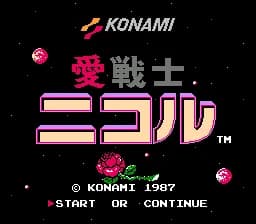 Bishoujo Sexy Slot
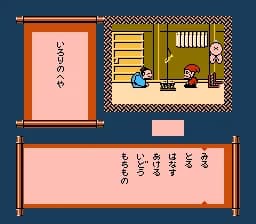 Bishoujo Hanafuda Club Vol.1 - Oichokabu Hen
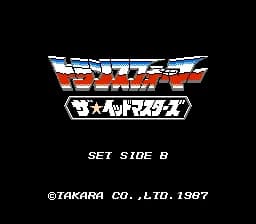 Transformers - The Headmasters
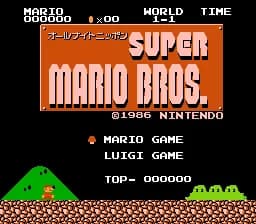 Bakutoushi Patton-kun
 Aliens - Alien 2
 Tenshitachi no Houkago
 Backgammon
 Chitei Tairiku Ordola
GAME INFO
- Platform
- Famicom Disk System
- Genre
- Action
- Publisher
- Konami
- Developer
- Konami
- Released
- 1986
- Players
- 1
- Region
- Japan
COMMENTS (0)
No comments yet. Be the first to share your thoughts.