🔊 Tap Play, then press “Play Now”
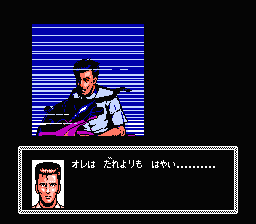
Tantei Jinguuji Saburou - Kiken na Futari - Zenpen (Japan) (Virtual Console)
Tantei Jinguuji Saburou - Kiken na Futari - Zenpen (Japan) (Virtual Console) Overview
This is Tantei Jinguuji Saburou - Kiken na Futari - Zenpen, a detective adventure game originally released for the Famicom Disk System in Japan. It's part of the long-running Tantei Jinguuji Saburou series (known as Jake Hunter in English), developed by Data East. This Virtual Console release brought the classic back to modern hardware, preserving the text-heavy mystery gameplay that defined the FDS era. The game is entirely in Japanese, with no official translation, so some familiarity with the language is helpful.
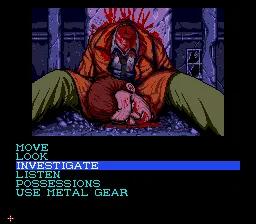
The player takes on the role of private detective Saburou Jinguuji, investigating a case by traveling between locations, talking to witnesses, and examining clues. The interface uses menu-based commands - Look, Talk, Move, etc. - accessed via the controller. Progress is driven by selecting the right actions in the right order, often requiring careful note-taking and backtracking. There's no action combat; it's pure puzzle solving and dialogue navigation.
What makes this entry interesting is its place in the early history of console detective games. While rough by modern standards (limited vocabulary, cryptic logic), it captures the charm of 8-bit interactive fiction. If you're a fan of the series or curious about Japan's early adventure genre, this is a foundational title. Just be ready for the language barrier and a style that expects patience over reflexes.
How to Play Tantei Jinguuji Saburou - Kiken na Futari - Zenpen (Japan) (Virtual Console) Online
Getting Started
When you start the game, you'll see the title screen in Japanese. Press Start to begin. The first scene places you in an office or street; use the D-Pad to move and press X to interact with highlighted spots. On-screen menus appear in Japanese, but the commands are usually arranged as standard adventure options: first is often "しらべる" (Investigate), then "はなす" (Talk), "いどう" (Move), etc. You can cycle through choices with the D-Pad and confirm with X.
The core loop involves talking to characters (select Talk, then choose a person), examining objects, and traveling to new areas. Pay attention to any text that appears, as clues will hint at your next destination. If you get stuck, try talking to everyone you've met again - new dialogue sometimes unlocks after certain actions. Some puzzles require you to use specific items in specific places, which you select from your inventory. Since the game is entirely in Japanese, keep a notepad handy for kanji you don't recognize or look up a guide if needed.
Tantei Jinguuji Saburou - Kiken na Futari - Zenpen (Japan) (Virtual Console) Keyboard Controls
Controls
- Arrow Keys: D-Pad / Movement
- X: A button (jump / confirm)
- S: B button (run / attack / cancel)
- Enter: Start / Pause
- V: Select
Frequently Asked Questions
Who developed Tantei Jinguuji Saburou - Kiken na Futari - Zenpen?
Data East developed this game, as they did with most of the early Tantei Jinguuji Saburou series. The original Famicom Disk System release was published by Data East in Japan.
Is Tantei Jinguuji Saburou - Kiken na Futari - Zenpen exclusive to Famicom Disk System or did it appear on other systems?
This particular entry originally released only on the Famicom Disk System in 1988. It later received a Virtual Console rerelease on the Wii, Wii U, and Nintendo 3DS in Japan, but never saw an official port to other platforms.
Is Tantei Jinguuji Saburou - Kiken na Futari - Zenpen considered easy to pick up or challenging?
The game is fairly straightforward for experienced adventure fans, but the language barrier and occasional obscure logic can make it challenging for newcomers. The puzzle design relies on trial and error, though the game is short by modern standards and can be completed in a few hours with guidance.




Comments (0)