CHOOSE A VERSION
2 versions · same consoleChoose an original release, regional version, revision, bootleg or clearly labelled ROM hack/mod, then press Play. Hacks may change the gameplay. Switching versions restarts the player.
Selected: Default · Japan · Japan
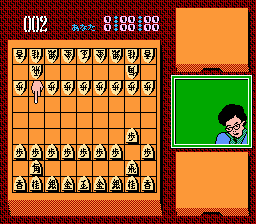
The game loads when you press Play · press “Play Now” inside the game if it asks.
Tanigawa Kouji no Shougi Shinan II - Meijin e no Michi (Japan)
Tanigawa Kouji no Shougi Shinan II - Meijin e no Michi
Tanigawa Kouji no Shougi Shinan II - Meijin e no Michi - Educational Classic
- Famicom Disk System
- Educational
- 5· 0 votes
GAME INFO
- Platform
- Famicom Disk System
- Genre
- Educational
- Players
- 1
- Region
- Japan
More Tanigawa Kouji no Shougi Shinan Games
Ready for another round? Explore more Tanigawa Kouji no Shougi Shinan games and console editions. Choose a game below to play it on its own page.
How to play Tanigawa Kouji no Shougi Shinan II - Meijin e no Michi online
Getting Started
When you first boot the game, you will see a title screen and then a menu with Japanese text. Use the D-Pad to navigate and press the A button (X key) to confirm your choice. The main menu likely lists lesson categories or practice modes. Because this is a shogi instruction game, your first goal is to select a basic lesson - probably something like "pieces and moves" or "rules."
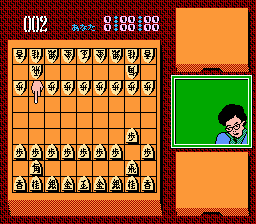
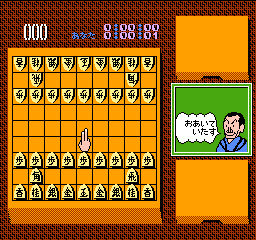
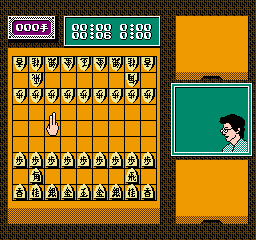
Once you enter a lesson, the screen will show a shogi board with pieces and text explaining a specific concept. You may be asked to make a move to demonstrate understanding. The game is entirely text-based and in Japanese, so keep a translation guide or a basic understanding of shogi terminology handy. The controls are simple: navigate with D-Pad, confirm with A, cancel with B. There is no real-time action; everything is turn-based and menu-driven.
If you get stuck, try pressing Select (V key) to see if there is a help screen or back option. The core loop is reading, studying the board, and making the correct move. There is no scoring or timer, so take your time. This is a learning tool, not a competitive game.
CONTROLS
Controls
- Arrow Keys: D-Pad / Movement
- X: A button (jump / confirm)
- S: B button (run / attack / cancel)
- Enter: Start / Pause
- V: Select
Tanigawa Kouji no Shougi Shinan II - Meijin e no Michi FAQ
Is Tanigawa Kouji no Shougi Shinan II - Meijin e no Michi exclusive to Famicom Disk System or did it appear on other systems?
It appears only on the Famicom Disk System. No ports or re-releases on other platforms are widely documented.
In what year was Tanigawa Kouji no Shougi Shinan II - Meijin e no Michi originally released?
The exact release year is not widely documented, though most FDS shogi titles came out between 1986 and 1989. It was likely released in the late 1980s.
Who developed Tanigawa Kouji no Shougi Shinan II - Meijin e no Michi?
The developer is not widely recorded in common retro gaming databases. The publisher is also unclear; it may have been handled by a small software house or even Nintendo itself, but this is not certain.
You may also like
All Famicom Disk System games Aki to Tsukasa no Fushigi no Kabe
 Yume Koujou - Doki Doki Panic
 Bishoujo Hanafuda Club Vol.2 - Koikoi Bakappana Hen
 Bishoujo Shashinkan - Studio Cut
 Bishoujo Sexy Slot
 Bishoujo Hanafuda Club Vol.1 - Oichokabu Hen
 Transformers - The Headmasters
 Bakutoushi Patton-kun
 Aliens - Alien 2
 Tenshitachi no Houkago
 Backgammon
 Chitei Tairiku Ordola
GAME INFO
- Platform
- Famicom Disk System
- Genre
- Educational
- Players
- 1
- Region
- Japan
COMMENTS (0)
No comments yet. Be the first to share your thoughts.