History · 7 min read
Sonic vs. Mario: Remember the Console Wars?
Sega kid or Nintendo kid? Look back at the rivalry that divided the playground.
In this guide · 5 sections
For a few electric years in the early 1990s, the biggest rivalry in entertainment was not between two sports teams or two pop stars — it was between a plumber and a hedgehog. The battle between Nintendo and Sega defined a generation, and its echoes shaped the industry we have today.
Nintendo's near-total dominance
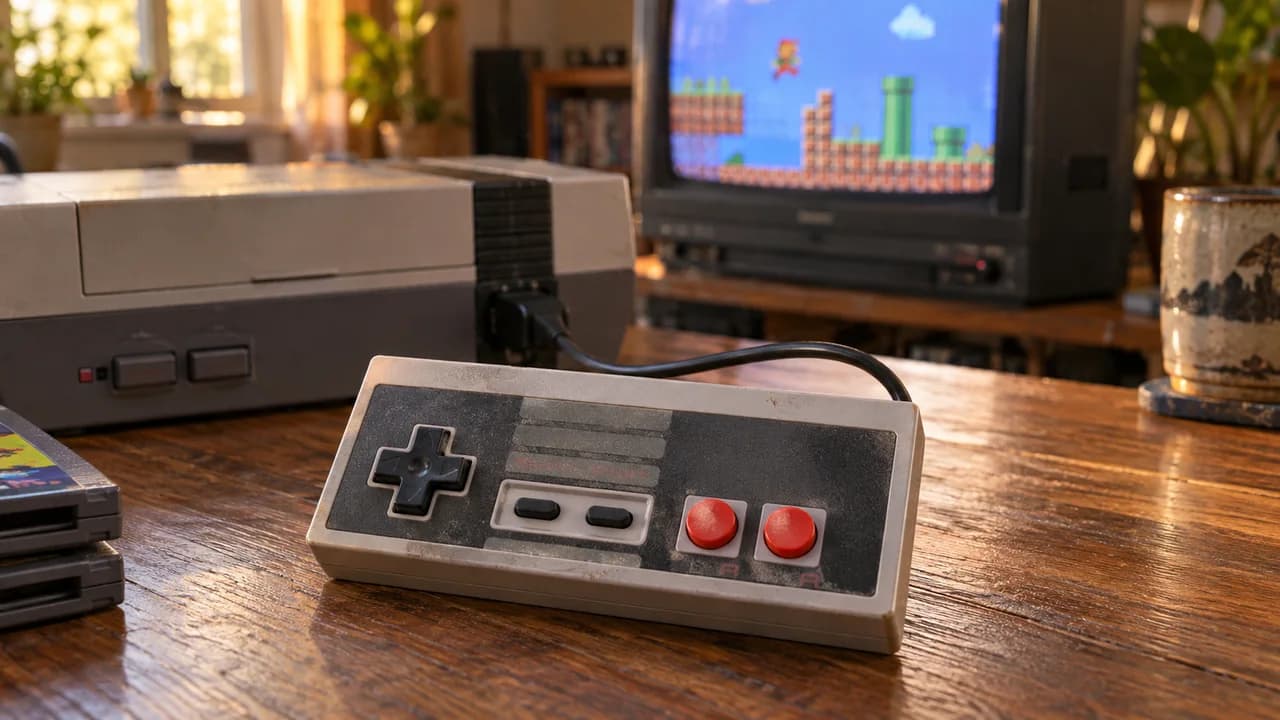
Coming out of the 1980s, Nintendo did not just lead the home console market — it practically was the home console market. Mario was a household name, the NES was in tens of millions of homes, and Nintendo set the rules. Any challenger faced a seemingly impossible task.
Sega's audacious answer
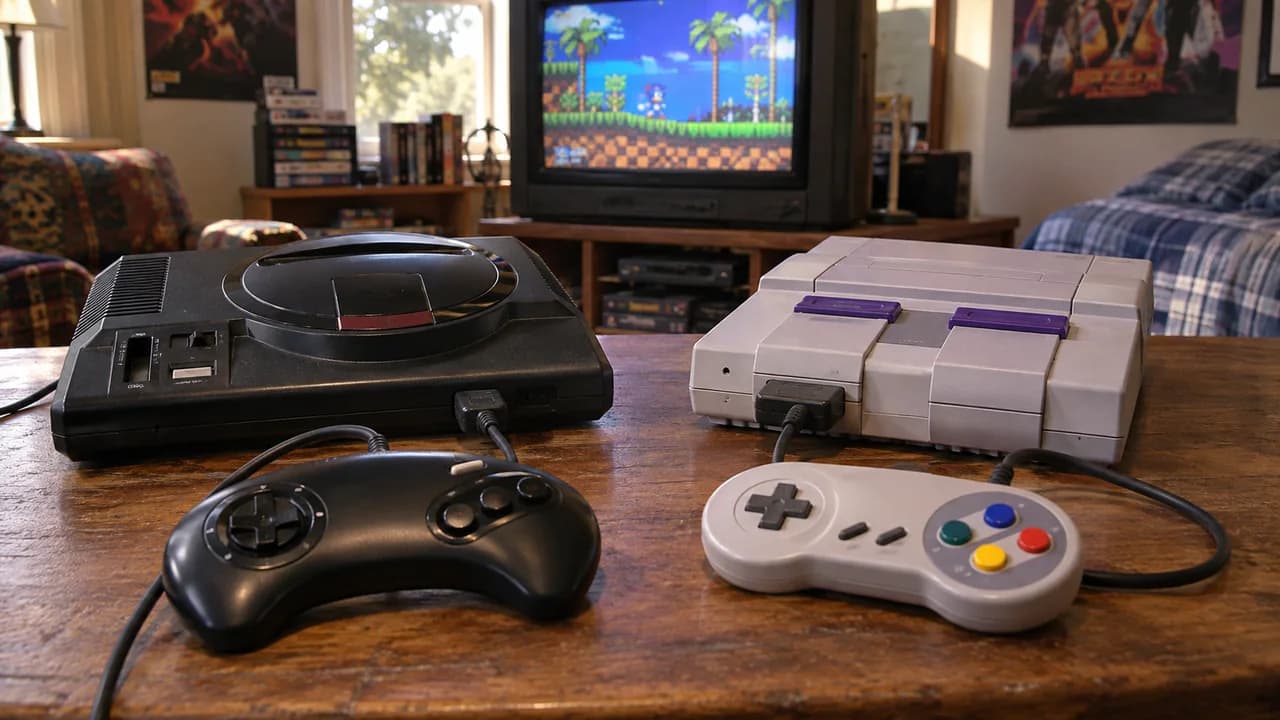
Sega's strategy was brilliant precisely because it did not try to out-Nintendo Nintendo. Where Mario was friendly and wholesome, Sega positioned the Genesis as faster, edgier, and cooler. The infamous "Genesis does what Nintendon't" marketing turned a hardware comparison into an identity. And in 1991, Sega gave that attitude a mascot.
The hedgehog with attitude
Sonic the Hedgehog was everything Mario was not: fast where Mario was measured, impatient where Mario was patient, tapping his foot impatiently if you left him idle. Sonic was not just a game character; he was a statement. And crucially, the games were genuinely great, with a sense of speed no platformer had delivered before. For the first time, Nintendo had a real fight on its hands.
Why the rivalry mattered
Competition made both companies better. Nintendo sharpened its hardware and its first-party games; Sega pushed marketing and edge. Players were the winners, getting two superb libraries pursuing two different visions of what games could be. The war eventually moved on — new players entered, the industry shifted — but the Sonic-versus-Mario era remains the moment console gaming grew into a cultural force.
Play both sides
The best part of looking back is that you no longer have to pick a side. You can play the cornerstones of both libraries in your browser and judge the rivalry for yourself — measured precision against breakneck speed. Three decades on, it turns out the right answer was always "both."